Understanding Lottery: A Complete Guide
Lotteries have been part of human society for centuries, evolving from simple number drawings to modern, highly regulated games that generate billions in revenue worldwide. In today’s landscape, the lottery is not just a game of chance but also a social and economic phenomenon that impacts individuals, communities, and governments alike. This guide dives deep into the world of lotteries, exploring how they work, their history, strategies players use, and their broader cultural significance.
What is a Lottery?
A lottery is a form of gambling in which participants purchase tickets with the hope of winning prizes through random drawings. The concept is simple: you buy a chance, and if luck favors you, that chance can turn into significant financial reward. Governments and authorized organizations often run lotteries to ensure fairness and transparency while also using revenues for public benefit programs like education, infrastructure, or social services.
History of Lotteries
Lotteries date back to ancient times, with evidence showing their existence in China around 200 BCE, where proceeds supported public projects like the Great Wall. In Europe, the practice flourished during the Renaissance as states sought innovative ways to raise money without imposing heavy taxes. In the United States, lotteries played a role in funding early colonies and major institutions such as universities and public buildings.
Over time, lottery systems became more regulated to ensure fairness. Today, most governments oversee lottery operations to maintain trust and prevent fraud.
How Modern Lotteries Work
Modern lotteries typically follow a structured system involving ticket sales, random number draws, and prize distribution.
Ticket Purchase
Players purchase tickets either physically at authorized retailers or digitally through secure platforms. Each ticket represents one chance at the draw.
Random Drawings
Numbers are drawn using mechanical ball machines or certified random number generators to ensure impartiality. Drawings are often televised or live-streamed for transparency.
Prize Tiers
Lotteries usually feature multiple prize levels. While the jackpot attracts the most attention, many players win smaller prizes that make participation more appealing.
Revenue Distribution
A portion of the money from ticket sales goes to the prize pool, while the remainder funds operational costs, government programs, or charitable initiatives.
Why People Play the Lottery
The lottery appeals to a wide audience for several reasons:
-
Hope for Financial Freedom: Many see it as a life-changing opportunity to pay off debts, buy a home, or retire early.
-
Entertainment Value: The thrill of waiting for results and imagining possible outcomes makes it exciting.
-
Supporting Good Causes: In many regions, proceeds go toward education, healthcare, or community development, giving players a sense of contributing to society.
The Psychology Behind Lottery Participation
The lottery taps into human psychology in unique ways. Concepts like “near misses” keep players engaged, as narrowly missing a win fuels hope for the next attempt. The availability heuristic also plays a role: people hear about jackpot winners on the news, making them overestimate their own chances of winning. This combination of hope, excitement, and perceived possibility drives consistent ticket sales.
Popular Types of Lotteries
National and State Lotteries
These are government-backed and widely accessible, offering massive jackpots and often contributing funds to public programs.
Scratch-Off Tickets
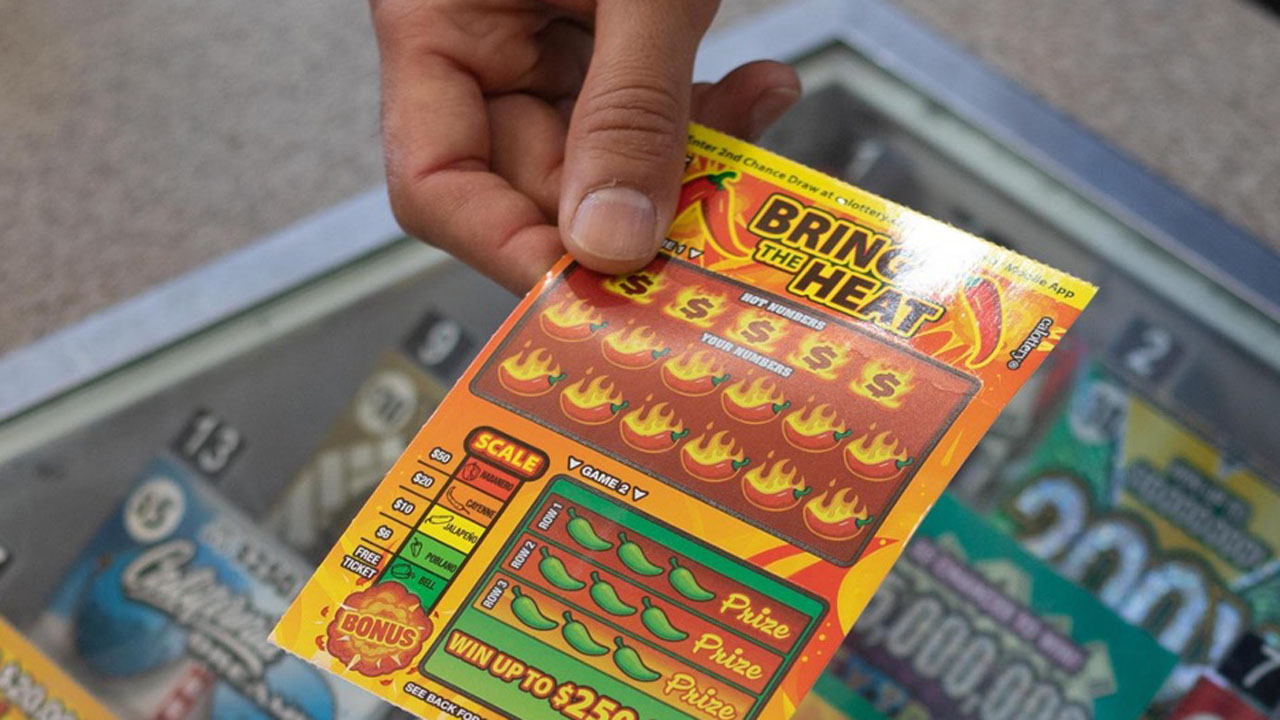
These provide instant results and smaller prizes, appealing to those who enjoy quick gratification.
Daily Draws
Some lotteries conduct smaller draws every day, allowing players frequent opportunities to win.
Syndicates and Pools
Groups of people combine resources to buy more tickets, increasing their collective odds while agreeing to share winnings.
Strategies People Use in Lottery Play
Although lotteries are games of chance, players often develop personal strategies to improve their experience:
-
Number Selection Techniques: Some choose significant dates like birthdays, while others rely on random quick picks.
-
Budgeting: Responsible players set spending limits to avoid overspending.
-
Pooling Resources: Joining workplace or family lottery pools increases odds without significantly raising personal cost.
It’s essential to remember that no system guarantees success since outcomes are random.
Economic and Social Impact of Lotteries
Lotteries generate significant revenue, which is often funneled into public projects. In many regions, they help fund:
-
Education programs and scholarships
-
Healthcare facilities and services
-
Community infrastructure projects
However, critics argue that lotteries can disproportionately affect lower-income individuals who spend a larger share of their income on tickets. Balancing revenue generation with social responsibility remains a key debate.
Risks and Responsible Play
While the lottery is entertaining, it can become problematic if not approached responsibly. Risks include:
-
Overspending and Debt: Frequent ticket purchases can add up quickly.
-
False Hope: Relying on the lottery as a financial plan is unrealistic due to extremely low odds of winning major jackpots.
-
Addiction: Like other forms of gambling, excessive play can lead to dependency.
Promoting responsible play means encouraging moderation, setting spending limits, and viewing the lottery as entertainment rather than a guaranteed investment.
Lottery in Popular Culture
Lotteries are deeply ingrained in culture, often appearing in films, books, and television shows as symbols of luck, destiny, or sudden wealth. They spark conversations about what people would do if they won, reflecting broader societal dreams and values around money and success.
The Future of Lotteries
Technology is reshaping the lottery industry. Online platforms, mobile apps, and digital draws are making participation more convenient. Blockchain technology is also being explored to enhance transparency and security. The future likely holds more interactive, personalized lottery experiences while maintaining fairness and public trust.
FAQs about Lotteries
What are the chances of winning a lottery jackpot?
Odds vary depending on the lottery structure, but they are usually extremely low, often in the range of 1 in several million.
Can you increase your chances of winning?
While no method guarantees a win, strategies like joining a lottery pool or consistently playing can slightly improve your odds without changing the randomness of the draw.
What happens if a lottery ticket is lost?
Most official lotteries require proof of purchase, so keeping tickets safe or registering them online is crucial. Lost tickets usually cannot be replaced.
Are lottery winnings taxable?
In many countries, yes. Winners may owe federal, state, or local taxes depending on where they live and the prize amount.
Do lottery funds really support public programs?
Yes, in most regions, a portion of ticket sales is allocated to education, health, or infrastructure, though exact distribution varies.
Can someone remain anonymous after winning?
It depends on local laws. Some states or countries allow anonymity, while others require public disclosure of winners.