
Why Some Players Always Lose at Gambling
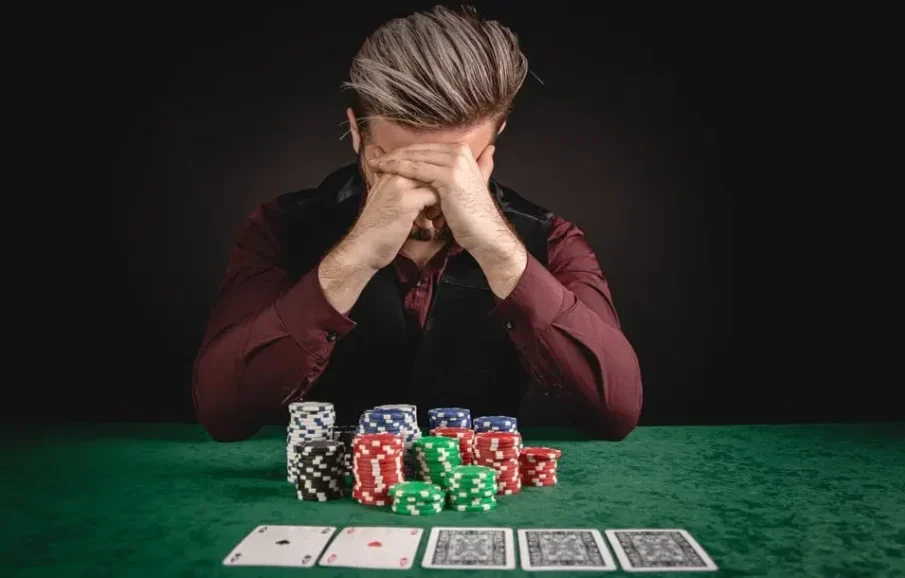
Gambling has been part of human culture for centuries, yet one truth remains unchanged: most players lose over time. While luck plays a role in the short term, consistent losses are rarely accidental. They are usually the result of predictable patterns, psychological traps, and structural realities built into gambling itself.
This article explores why some players seem destined to lose, even when they believe they are improving, strategizing, or “due for a win.”
The House Always Has the Advantage
At the core of gambling losses lies a simple mathematical fact: every casino game is designed with a house edge.
-
The house edge ensures the casino earns profit over time
-
Even games that feel fair (like blackjack or roulette) are tilted subtly
-
Short-term wins are possible, but long-term play favors the house
No amount of confidence or optimism can overcome negative expected value. Players who gamble frequently are effectively paying for entertainment—whether they realize it or not.
Overestimating Skill in Games of Chance
Many losing players believe they are skilled when the game is largely random.
-
Slot machines are purely chance-based
-
Roulette outcomes are independent of past spins
-
Sports betting involves unpredictable variables beyond analysis
This illusion of control leads players to bet more, stay longer, and ignore mounting losses.
Emotional Decision-Making
One of the fastest paths to consistent losses is gambling with emotions instead of logic.
-
Chasing losses after a bad session
-
Betting impulsively after a win
-
Playing longer when tired, stressed, or frustrated
Emotions distort judgment. Once emotional play begins, bankroll discipline disappears, and losses escalate rapidly.
Poor Bankroll Management
Players who always lose often fail to manage their money properly.
Common mistakes include:
-
Betting too large relative to available funds
-
Lacking clear win and loss limits
-
Reinvesting winnings instead of securing them
Without structure, even lucky streaks end in losses.
Cognitive Biases That Trap Players
Human psychology works against gamblers in powerful ways.
Key biases include:
-
Gambler’s fallacy – believing a loss increases the chance of a win
-
Confirmation bias – remembering wins more vividly than losses
-
Sunk cost fallacy – continuing to gamble to “justify” previous losses
These mental shortcuts create false confidence and encourage harmful behavior.
Addiction and Compulsive Play
For some players, losses aren’t about strategy at all—they’re about compulsion.
Signs of problem gambling include:
-
Inability to stop despite repeated losses
-
Gambling to escape stress or boredom
-
Increasing bets to feel the same excitement
In these cases, gambling shifts from entertainment to dependency, almost guaranteeing long-term losses.
Misunderstanding Odds and Probability
Many players simply don’t understand how odds work.
-
A “near miss” doesn’t increase future chances
-
Random number generators reset every spin
-
Long odds don’t mean impossible—but they are still unlikely
Misinterpreting probability leads players to make consistently poor betting choices.
The Myth of “One Big Win”
Some players lose repeatedly because they believe one massive win will fix everything.
This mindset:
-
Encourages reckless bets
-
Extends losing sessions
-
Turns gambling into financial risk rather than entertainment
In reality, big wins are rare—and often followed by bigger losses.
Gambling as Entertainment vs Expectation
The biggest difference between losing players and controlled players is expectation.
-
Losing players expect profit
-
Controlled players expect entertainment
When gambling is treated as income, frustration and losses follow. When treated as entertainment with a budget, damage is limited.
How Losing Becomes a Pattern
Losses become consistent when multiple factors combine:
-
Emotional play
-
Poor money management
-
Cognitive biases
-
Misunderstanding randomness
Once these patterns form, they reinforce themselves unless consciously broken.
Breaking the Losing Cycle
While gambling can never be made profitable long-term, players can reduce harm by:
-
Setting strict budgets
-
Limiting session time
-
Avoiding emotional betting
-
Understanding odds realistically
The goal is not to “beat the system,” but to avoid being controlled by it.
Frequently Asked Questions (FAQ)
Why do some people lose at gambling more than others?
Because they combine emotional play, poor bankroll management, and unrealistic expectations over long periods.
Can gambling ever be a reliable way to make money?
No. All casino games are mathematically designed to favor the house over time.
Does strategy help reduce losses?
Strategy can reduce the speed of losses in some games, but it cannot eliminate the house edge.
Why do wins feel more memorable than losses?
The brain remembers emotionally charged events more strongly, creating a distorted perception of success.
Are online casinos more dangerous than physical ones?
They can be, due to easier access, faster gameplay, and fewer natural stopping points.
How can players know when gambling is becoming a problem?
When losses are chased, budgets are ignored, or gambling affects emotions and daily life, it’s a warning sign.
Is quitting the only solution for consistent losers?
For some, yes. For others, strict limits and mindset changes can reduce harm—but no system guarantees success.


