Why People Play the Lottery Despite Low Odds
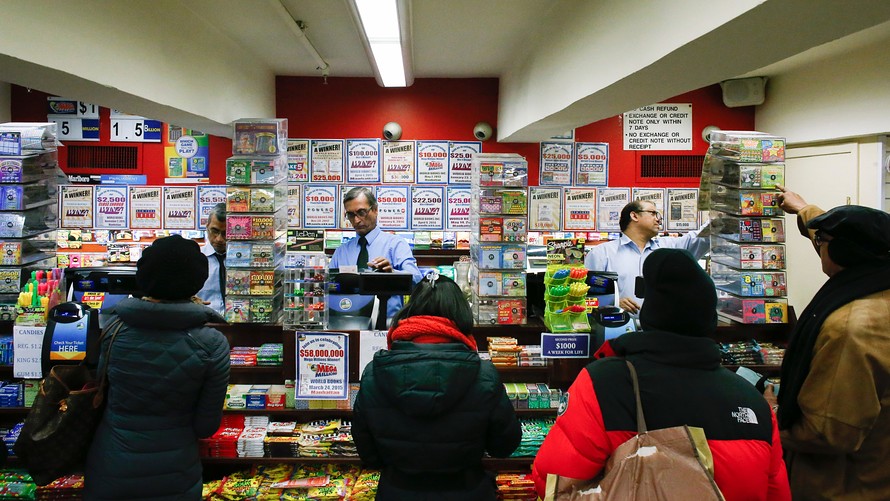
Every week, millions of people buy lottery tickets knowing full well that the odds of winning are extremely slim. Rationally, it makes little sense. Emotionally, however, the lottery offers something far more compelling than probability alone. Understanding why people play reveals a mix of psychology, hope, culture, and human behavior that goes far beyond simple math.
The Power of Hope and Imagination
At its core, the lottery sells hope. For a small amount of money, players buy access to a powerful daydream.
-
Imagining freedom from debt
-
Visualizing a better lifestyle
-
Thinking about helping family or causes
This mental escape can be deeply satisfying. Even if the jackpot is never won, the anticipation itself delivers emotional value, making the ticket feel worthwhile.
Low Cost, High Emotional Return
Lottery tickets are usually inexpensive, which lowers the psychological barrier to entry. People often frame the purchase as entertainment rather than investment.
Key reasons this feels justified:
-
The cost is similar to coffee or a snack
-
Losses feel small and manageable
-
The potential reward feels enormous
This imbalance between tiny cost and massive payoff keeps people playing, even when they know the odds are stacked against them.
Cognitive Biases That Shape Decision-Making
Human brains are not built to intuitively understand extreme probabilities. Several mental shortcuts influence lottery participation.
Availability Bias
When people hear stories of winners, those examples become mentally “available,” making wins feel more common than they really are.
Optimism Bias
Many players believe they are slightly luckier than average, even without evidence. This subtle confidence fuels repeated play.
Near-Miss Effect
Seeing numbers that almost match the winning combination creates the illusion of being close, encouraging future attempts.
The Social and Cultural Influence
Lottery participation is often normalized through culture and community.
-
Office pools create shared excitement
-
Family traditions pass down lottery habits
-
Media coverage amplifies jackpot frenzy
In many societies, buying a ticket is seen as harmless fun rather than risky behavior, reinforcing its acceptance.
Economic Pressure and the Dream of Escape
For individuals facing financial stress, the lottery can represent a perceived way out. When traditional paths to upward mobility feel limited, a jackpot appears as a shortcut.
This doesn’t mean players are unaware of reality. Instead, the lottery becomes a symbolic escape from difficult circumstances, even if only temporarily.
Entertainment Value Over Expected Value
From a strictly mathematical perspective, the lottery has a negative expected value. From a human perspective, it offers:
-
Excitement
-
Conversation
-
A brief sense of possibility
Many players knowingly trade financial logic for emotional reward, treating the ticket as paid entertainment rather than a serious gamble.
The Role of Marketing and Jackpot Size
Large jackpots dramatically increase participation. As prize amounts grow, media attention intensifies, creating a sense of urgency and collective excitement.
Bigger numbers trigger bigger dreams, even though the odds remain virtually unchanged. The size of the reward often overwhelms rational evaluation.
Is Playing the Lottery Irrational?
Not entirely. While relying on the lottery as a financial plan is unrealistic, occasional participation as entertainment is a conscious choice for many.
The key distinction lies in expectation:
-
Playing for fun aligns with emotional value
-
Playing out of desperation can lead to disappointment
Understanding this difference helps explain why lottery participation persists across income levels and education backgrounds.
Frequently Asked Questions (FAQ)
1. Do people actually believe they will win the lottery?
Most players understand the odds are low, but they allow themselves temporary belief as part of the enjoyment.
2. Why do jackpots increase ticket sales so dramatically?
Larger jackpots amplify imagination and media exposure, making the dream feel more vivid and urgent.
3. Is lottery playing linked to financial literacy?
Not directly. People across all education and income levels play, often for entertainment rather than financial strategy.
4. Can playing the lottery become a harmful habit?
Yes, if spending exceeds affordable limits or replaces realistic financial planning, it can become problematic.
5. Why do people keep playing after repeated losses?
Psychological effects like optimism bias and near-miss experiences encourage continued participation.
6. Is the lottery considered a form of gambling?
Yes, it is a form of gambling, but one that is socially normalized and often framed as harmless fun.
7. What motivates occasional players versus regular players?
Occasional players are often driven by large jackpots or social events, while regular players may value routine and ongoing hope.