
Betting Tips: Smarter Ways to Bet Without the Guesswork
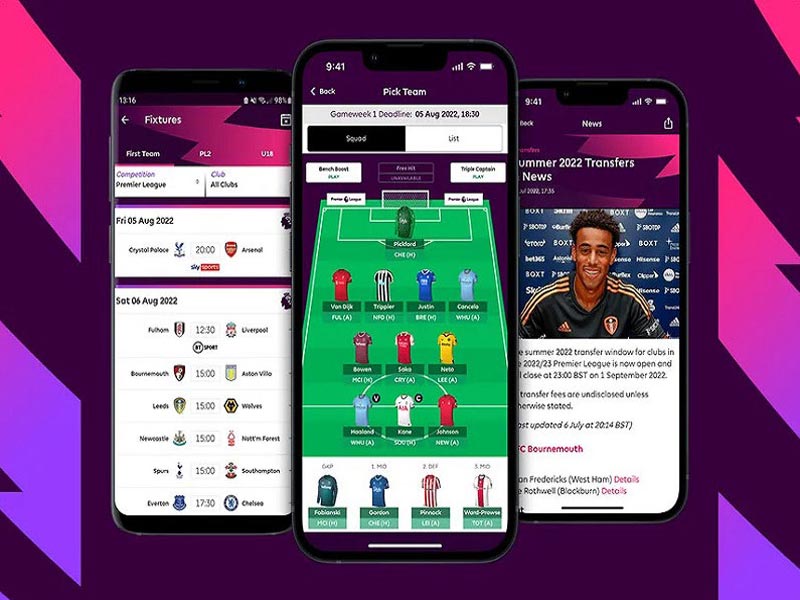
Betting can be exciting, but consistent success rarely comes from luck alone. The difference between casual wagers and informed bets lies in discipline, research, and bankroll control. This guide breaks down practical betting tips that help you make clearer decisions, reduce avoidable losses, and approach betting like a long-term game rather than a quick win.
Understand the Basics Before You Bet
Before placing a single wager, make sure you truly understand how betting works. Many losses happen simply because bettors misunderstand odds or bet types.
Key fundamentals to master:
-
Odds formats (decimal, fractional, American)
-
Implied probability and how odds reflect risk
-
Common bet types such as moneyline, spread, totals, and props
-
Payout vs. stake, not just potential winnings
A solid foundation prevents emotional and impulsive betting decisions later on.
Set a Bankroll and Protect It
Bankroll management is the backbone of successful betting. Without it, even good predictions can lead to losses.
Smart bankroll rules:
-
Only bet money you can afford to lose
-
Risk 1–3% of your bankroll per bet
-
Avoid chasing losses with bigger wagers
-
Keep betting funds separate from daily expenses
Treat your bankroll like business capital, not disposable cash.
Focus on Research, Not Predictions
Professional bettors rely on information, not instincts. Research gives context to odds and highlights opportunities the market may overlook.
What to analyze before betting:
-
Team or player form over recent games
-
Injuries, suspensions, and lineup changes
-
Home vs. away performance
-
Head-to-head history (when relevant)
-
Scheduling factors like fatigue or travel
The goal is not to predict outcomes perfectly, but to spot value where odds underestimate probability.
Shop for the Best Odds
Odds vary between bookmakers, and those small differences matter over time. Choosing the best available odds increases long-term profitability without increasing risk.
Why odds shopping matters:
-
Higher odds mean better returns on winning bets
-
Even a 0.05 difference compounds over hundreds of wagers
-
It reduces the bookmaker’s built-in margin against you
Using multiple sportsbooks gives you flexibility and leverage.
Avoid Emotional and Bias-Driven Bets
Betting with emotions is one of the fastest ways to lose money. Loyalty to favorite teams or players clouds judgment.
Common emotional traps to avoid:
-
Betting on your favorite team regardless of value
-
Chasing losses after a bad day
-
Overconfidence after a winning streak
-
Betting out of boredom rather than strategy
If a bet doesn’t make sense on paper, it usually doesn’t make sense at all.
Specialize Instead of Betting Everything
Trying to bet on every sport or league spreads your knowledge too thin. Specialization leads to sharper insights and better decisions.
Benefits of specializing:
-
Deeper understanding of teams and trends
-
Better interpretation of news and stats
-
Faster recognition of mispriced odds
Many successful bettors focus on one sport or even one league.
Track Your Bets and Learn From Data
Keeping records turns betting from a habit into a process. Over time, your data reveals what actually works.
Track details such as:
-
Date and type of bet
-
Odds and stake size
-
Outcome and profit/loss
-
Notes on reasoning behind the bet
Patterns in your results will highlight strengths, weaknesses, and areas to improve.
Know When Not to Bet
One of the most underrated betting tips is learning to stay inactive. There will always be more games tomorrow.
Skip betting when:
-
You lack sufficient information
-
Odds offer no clear value
-
You feel pressured or emotional
-
You’re betting just to stay involved
Discipline often matters more than picking winners.
Bet Responsibly and Think Long Term
Responsible betting isn’t just about limits—it’s about mindset. No strategy guarantees constant wins, but smart habits reduce risk and improve consistency.
Approach betting as a long-term probability game, not a shortcut to fast money. Patience and control are your strongest tools.
Frequently Asked Questions (FAQs)
1. What is the safest type of bet for beginners?
Simple bets like moneyline or over/under totals are easier to understand and manage compared to complex accumulators.
2. How much should I bet on each wager?
Most experienced bettors risk between 1% and 3% of their bankroll per bet to manage variance.
3. Can betting systems guarantee profits?
No system guarantees profit. Systems can help structure bets, but discipline and value analysis matter more.
4. Is live betting better than pre-match betting?
Live betting offers more information but also faster decisions. It suits experienced bettors more than beginners.
5. How important are statistics in betting?
Statistics provide context and reduce guesswork, but they should be combined with situational analysis.
6. Should I follow betting tips from others?
External tips can help, but always verify reasoning and odds value before placing a bet.
7. When should I stop betting?
Stop when betting affects your finances, emotions, or daily life negatively. Responsible control is essential for long-term enjoyment.


