Ultimate Poker Guide: Rules, Strategies, and Tips for Every Player
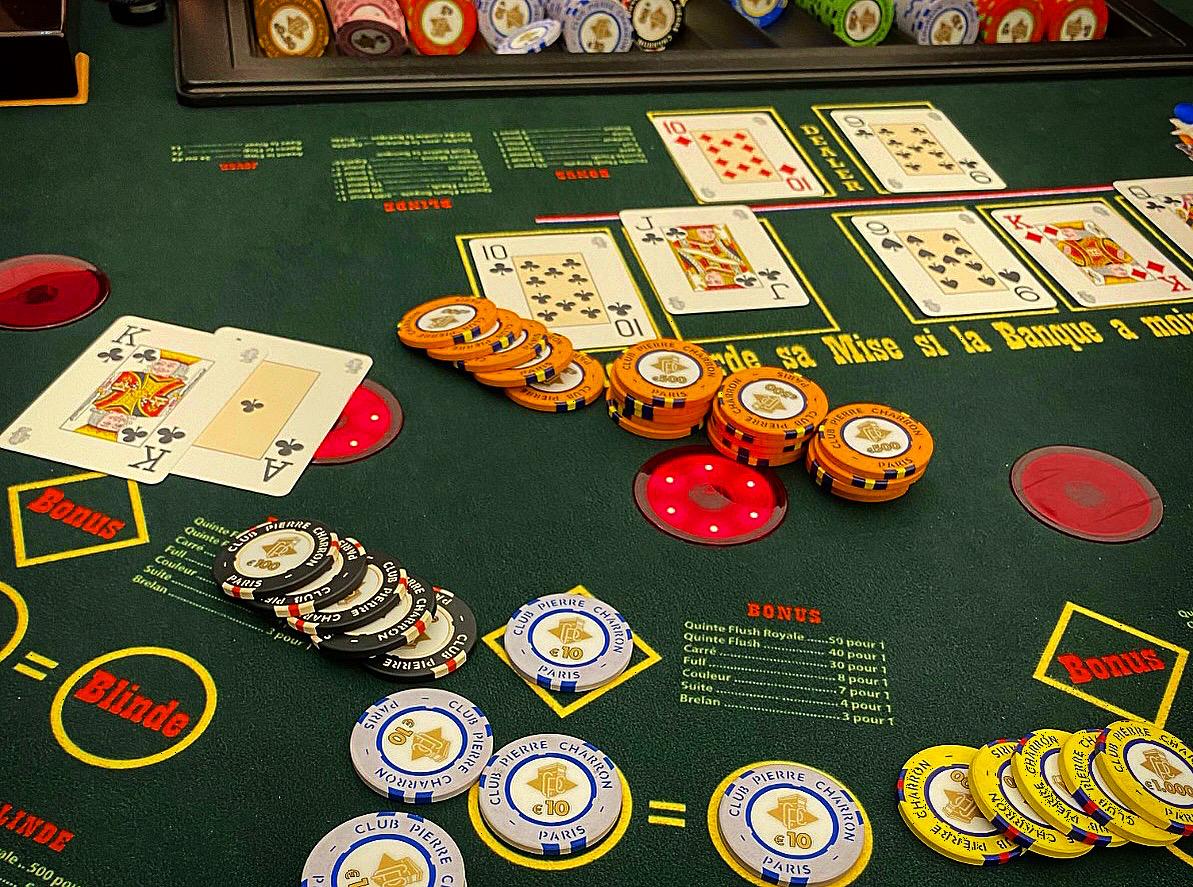
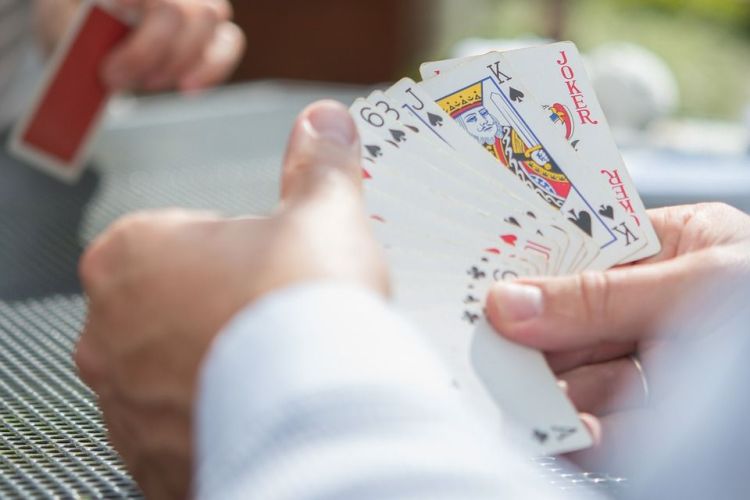
Poker is one of the most popular card games in the world, attracting both casual players and serious professionals. With its unique blend of skill, psychology, and probability, it has become more than just a game of chance. In this poker guide, you’ll learn the fundamentals, strategies, and advanced techniques to help you play confidently and improve your performance at the tables. Whether you’re playing with friends or entering tournaments, understanding poker in depth is essential for success.
What Makes Poker Unique
Poker stands out from other card games because it requires more than luck. Players must analyze odds, read opponents, and make calculated decisions. The use of betting rounds adds an element of risk and reward, where every move can influence the outcome. The keyword poker guide is often searched by beginners who want to move from casual play to a structured understanding of the game, which highlights how essential a step-by-step approach is for long-term improvement.
Basic Rules of Poker
The rules vary slightly depending on the version, but the core structure remains consistent.
Objective
The goal in poker is to create the best five-card hand or to convince opponents to fold their hands, giving you the pot.
Hand Rankings
Every player should memorize poker hand rankings:
-
Royal Flush: A, K, Q, J, 10 of the same suit
-
Straight Flush: Five consecutive cards of the same suit
-
Four of a Kind: Four cards of the same rank
-
Full House: Three of a kind plus a pair
-
Flush: Five cards of the same suit
-
Straight: Five consecutive cards, mixed suits
-
Three of a Kind: Three cards of the same rank
-
Two Pair: Two different pairs
-
One Pair: Two cards of the same rank
-
High Card: When none of the above applies
Betting Rounds
A typical poker hand includes these stages:
-
Pre-flop: After receiving hole cards, players decide to fold, call, or raise.
-
Flop: Three community cards are revealed.
-
Turn: A fourth community card is dealt.
-
River: The final card is revealed.
-
Showdown: Remaining players reveal hands, and the winner takes the pot.
Popular Variations of Poker
Different poker formats appeal to various player styles.
Texas Hold’em
The most widely played version, where each player receives two hole cards and combines them with five community cards.
Omaha
Players get four hole cards and must use exactly two of them with three community cards to make a hand.
Seven Card Stud
Played without community cards. Each player receives seven cards (three face-down, four face-up), and the best five-card hand wins.
Draw Poker
Players receive a complete hand and have the option to discard and draw new cards to improve their hand.
Essential Poker Strategies
Mastering strategy is what separates casual players from winning players.
Starting Hands
Not every hand should be played. Strong starting hands include pairs of 10s or higher, suited connectors, and high-value cards like Ace-King.
Position Awareness
Your position at the table matters:
-
Early position: Play conservatively, as many players act after you.
-
Middle position: Expand your hand range slightly.
-
Late position: Take advantage of information from earlier players.
Bluffing
Bluffing adds unpredictability. A successful bluff can win a pot without the best hand, but overuse makes it less effective. Focus on selective and well-timed bluffs.
Reading Opponents
Look for betting patterns, timing, and physical cues. A player who hesitates before betting big may be bluffing, while consistent aggression often signals strength.
Pot Odds and Probability
Understanding math in poker is vital. Pot odds compare the size of the current pot to the cost of a call. If the potential reward outweighs the risk, making the call is logical.
Advanced Poker Concepts
Once you understand the basics, move to more advanced strategies.
Range Analysis
Instead of guessing a single hand, think in terms of possible hand ranges your opponent could have.
Table Image
How others perceive you influences how they react. If you play aggressively, opponents may fold more often, while a tight style can encourage more bluffs against you.
Bankroll Management
Discipline is key to long-term success. Only risk a small percentage of your total bankroll in one session to reduce the chance of going broke.
Tournament Play vs. Cash Games
-
Cash Games: Chips have direct cash value; play tends to be deeper and more strategic.
-
Tournaments: Structured blinds and elimination make risk management even more critical.
Common Mistakes to Avoid
-
Playing too many weak hands
-
Ignoring position
-
Bluffing too frequently
-
Failing to adapt to opponents
-
Letting emotions dictate decisions
Poker as a Skill-Building Game
Beyond winning money, poker improves decision-making, patience, and emotional control. It challenges players to calculate risks, analyze behavior, and make strategic moves under pressure.
Frequently Asked Questions
What is the best poker hand a beginner should focus on playing?
Beginners should stick to premium hands like pocket pairs (Aces, Kings, Queens), Ace-King, and suited connectors. These hands provide the best chance to build confidence while learning.
How long does it take to become good at poker?
It depends on practice frequency and study habits. With consistent play and reviewing strategies, many players see improvement within six months to a year.
Can poker really be profitable?
Yes, but profitability requires discipline, strategy, and proper bankroll management. Most players who profit treat poker as both a skill game and a mental challenge.
What’s the difference between online poker and live poker?
Online poker is faster and allows multi-tabling, while live poker provides more psychological elements like reading body language. Both require solid fundamentals but slightly different adjustments.
How do I know when to fold in poker?
If the pot odds don’t justify the risk or your opponent’s betting strongly suggests a stronger hand, folding is often the best option. Learning discipline is just as valuable as winning hands.
Is poker more about luck or skill?
Luck influences short-term outcomes, but skill dominates in the long run. Skilled players consistently outperform less experienced opponents over time.