Managing the Physical Fatigue of Multi-Day Live Poker Tournaments
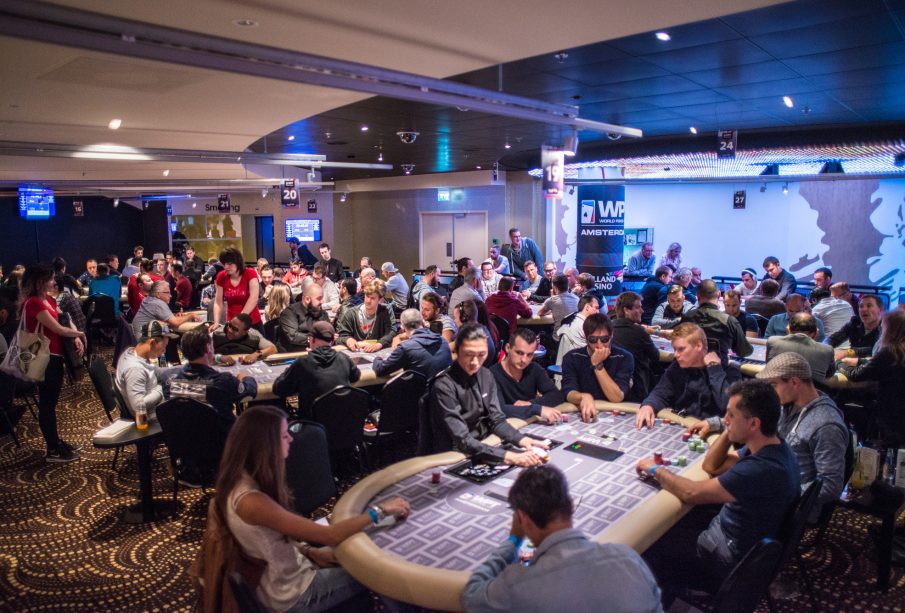
Tournament poker is universally celebrated as a game of calculated aggression, mathematics, and psychological warfare. Broadcast highlights show dramatic river bluffs and stone-cold hero calls, reinforcing the impression that deep tournament runs are decided purely by intellectual dominance. What those broadcasts rarely convey is the grueling physical reality behind every championship bracelet or trophy.
Surviving a multi-day live poker event requires enduring twelve-hour shifts in rigid chairs, breathing dry, recycled air, and maintaining intense mental focus while bombarded by noise and artificial lighting. By Day Three or Day Four of a major tournament, the competition is rarely decided by theoretical knowledge alone. Games of this caliber frequently boil down to stamina. The player who has maintained physical energy will consistently make sharper decisions, while the player suffering from bodily exhaustion begins giving away chips through subtle, unforced errors.
Treating a multi-day tournament like an endurance sport is not an exaggeration. If your body breaks down, your cognitive processing inevitably follows.
The Hidden Physiology of Table Exhaustion
Many casual players scoff at the idea that sitting at a card table is physically demanding. After all, nobody is sprinting, lifting weights, or taking hits. Yet staying motionless in an upright or slightly slouched seated position for ten to fourteen hours exerts enormous, static strain on the human body.
When you sit still for hours, your circulation slows drastically. Venous return—the rate at which blood pumps back from the lower extremities to the heart and brain—decreases without regular muscle contraction. This stagnant blood flow reduces oxygen delivery to the prefrontal cortex, the precise region of the brain responsible for impulse control, complex calculations, and emotional regulation.
Simultaneously, the postural muscles of your lower back, neck, and shoulders are locked in continuous, isometric contractions to keep your head upright. Over several days, this muscular tension manifests as dull aches, tension headaches, and localized stiffness. Your nervous system interprets this persistent, low-level physical discomfort as stress, quietly elevating cortisol levels. Long before you feel physically exhausted, your patience deteriorates. You begin playing hands you should fold, rushing through bet-sizing decisions, and surrendering to impulsive calls simply because your tired brain craves relief from mental tension.
Ergonomics and Active Posture at the Felt
The easiest way to preserve energy during a grueling tournament series is to fix how you interact with the chair. Most casino seating is built for casual gamblers who stay for an hour or two, not tournament grinders occupying the same space from noon until midnight.
Slumping forward over your chip stack compresses the diaphragm, restricting your breathing to shallow chest breaths. This chronic under-oxygenation directly amplifies fatigue. To counteract this:
-
Keep your feet flat on the floor, directly under your knees, to distribute your weight evenly through your pelvis rather than your lumbar spine.
-
Slide your hips all the way to the back of the chair to utilize whatever lumbar support is available, or roll up a light jacket and place it behind your lower back.
-
Keep your elbows tucked near your ribs rather than reaching forward onto the rail, which reduces the constant strain on your trapezius muscles.
Cultivate a habit of micro-movements throughout the day. When you fold a hand—which happens roughly eighty percent of the time—use that downtime productively. Discreetly squeeze your glutes, flex your calf muscles, roll your shoulders backward, and gently lengthen your neck. These tiny muscular contractions act as a mechanical pump, keeping blood circulating through your legs and sending fresh oxygen to your brain without drawing unwanted attention from the rest of the table.
Nutrition for Sustained Cognitive Stamina
Casinos are designed to feed customers heavy, calorie-dense comfort food that encourages lethargy. Grabbing a cheeseburger, french fries, or a slice of pizza from the floor servers during level six might satisfy immediate hunger, but it is a strategic disaster for your tournament life.
Heavy meals rich in refined carbohydrates and saturated fats force your body to divert enormous amounts of blood away from the brain and directly into the digestive tract. The subsequent spike and crash in blood sugar triggers profound brain fog, drowsiness, and irritability.
To maintain steady cognitive performance across a fourteen-hour day:
Prioritize Slow-Burning Macronutrients
Eat balanced meals consisting of lean proteins, complex carbohydrates with high fiber, and healthy fats. Grilled chicken, salmon, quinoa, sweet potatoes, eggs, and avocados provide a steady release of glucose into the bloodstream, avoiding the sharp insulin spikes that ruin focus.
Adopt a Grazing Strategy
Instead of eating one enormous dinner during the scheduled break, divide your food intake into smaller, nutrient-dense portions consumed every three to four hours. Carry a discreet personal bag stocked with raw almonds, walnuts, low-sugar protein bars, beef jerky, or fresh berries. Snacking lightly during the middle levels keeps energy levels smooth and predictable.
Manage Salt and Fluid Balance
Casinos are heavily air-conditioned, low-humidity environments that accelerate passive dehydration. Even mild dehydration—as little as a two percent drop in body water—measurably impairs working memory, motor control, and mood stability.
However, drinking massive amounts of plain water can backfire by washing out essential electrolytes, leaving you feeling sluggish while forcing you to use the restroom every thirty minutes. Balance your fluid intake with unsweetened electrolyte packets that supply sodium, potassium, and magnesium. Keep a refillable insulated bottle near your feet and take small, deliberate sips throughout every level.
The Stimulant Paradox: Rethinking Caffeine
When fatigue sets in around level eight, the default response for most poker players is to flag down a cocktail waitress for an espresso or crack open a canned energy drink. While caffeine is a proven cognitive enhancer, mismanaging it during a multi-day event will wreck your tournament run.
Caffeine works by blocking adenosine receptors in the brain, masking the sensation of sleep pressure without actually eliminating cellular fatigue. When you flood your system with high doses of caffeine late in the day, you set off a destructive chain reaction:
-
Jitteriness and Loss of Composure: Excessive caffeine spikes adrenaline, elevating your resting heart rate and making physical tells harder to control under high-pressure spots.
-
The Inevitable Crash: Once the caffeine metabolizes, the accumulated adenosine floods your receptors all at once, plunging you into an intense wave of exhaustion, typically right around the final, most crucial levels of the night.
-
Fragmented Recovery Sleep: Consuming caffeine during the evening hours completely disrupts your slow-wave and REM sleep cycles, guaranteeing that you will wake up even more exhausted for Day Two.
Establish a disciplined caffeine curfew. Limit your intake to moderate amounts early in the tournament day, and cut off all coffee, tea, and energy supplements at least six to eight hours before the anticipated conclusion of play. If you need a late-night boost, rely on ice water, deep breathing exercises, and brisk physical movement rather than chemical stimulation.
Maximizing the Fifteen-Minute Break
The tournament clock ticks down, the floor director announces a fifteen-minute break, and the immediate impulse for many players is to stand in a long bathroom line, scroll through social media on their phones, or gather in a tight circle to recount bad-beat stories.
This routine does nothing to restore your physical reserves. In fact, complaining about hands keeps your nervous system in a heightened state of stress, while staring down at a glowing phone screen exacerbates eye strain.
Use your breaks with absolute tactical intention:
-
Seek Fresh Air and Natural Light: Casino lighting is relentless and artificial. Step outside the property, even if only for five minutes. Natural outdoor light resets your circadian rhythms, clears mental clutter, and helps maintain wakefulness.
-
Decompress the Spine: Find an open hallway or quiet corner away from the tournament room. Stretch your hip flexors, do several gentle forward bends to unload your lower back, and take deep, diaphragmatic breaths to fully expand your lungs.
-
Give Your Senses a True Rest: Put your phone away. Close your eyes, let the visual cortex rest, and avoid all conversation about poker strategy or bad beats. Your brain needs total silence to process the hundreds of decisions it has just navigated.
Sleep Architecture and Post-Bagging Wind-Down
Your day does not end when the floor supervisor hands you a plastic bag to seal your chips. In many respects, the most critical physical phase is just beginning.
Bagging chips late at night leaves players swimming in residual adrenaline. Your mind races through key pots, controversial river bluffs, and upcoming seat draws. If you head straight to your room, turn on the television, or open a hand-history discussion group with friends, you will likely lie awake until 4:00 AM, destroying your physical baseline for the following day.
Design a non-negotiable wind-down protocol to lower your central nervous system activation rapidly:
-
Enforce a Mental Cutoff: Agree with yourself that once the chips are bagged, your review of the day is officially closed. Analyze your mistakes after the tournament series concludes, not at midnight between critical days.
-
Create a Dark, Frigid Sleep Environment: Lower the hotel thermostat to between 65 and 68 degrees Fahrenheit. Cooler room temperatures signal the brain that it is time for deep, restorative sleep. Use blackout curtains, run a white-noise app to drown out hallway noise, and wear a contoured eye mask.
-
Take a Warm Shower or Bath: A warm shower roughly an hour before bed brings blood flow to the surface of the skin. When you step out into the cool room, your core body temperature drops sharply, which naturally induces drowsiness and accelerates sleep onset.
A deep run in a live poker tournament is a war of attrition. While your opponents spend their breaks smoking, eating heavy meals, and running their physical engines into the ground, a commitment to basic bodily maintenance gives you a compounding edge that no theoretical solver can match. When the chips get heavy late in the tournament, physical stamina is the quiet foundation that keeps your mind sharp, your emotional discipline intact, and your decisions profitable.