The Anatomy of the Bubble: How to Stop Busting Just Outside the Money in Online Poker Tournaments
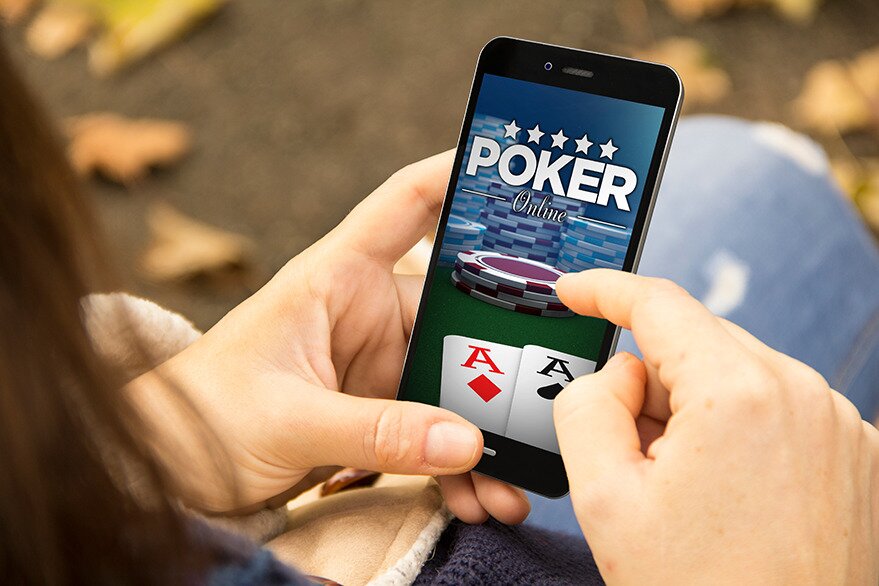
Few experiences in online poker rival the acute frustration of the stone bubble. You have spent four hours navigating a massive multi-table tournament field, surviving bad beats, managing your chip stack through escalating blind structures, and outlasting thousands of runners. Then, with three eliminations remaining before the entire field locks up a payout, your tournament life evaporates. You leave empty-handed, having spent hours of concentration for a net return of zero.
Experiencing a tournament bubble once in a while is simply an unavoidable tax of tournament poker variance. When bubbling becomes a recurring, predictable trend in your weekly sessions, it ceases to be bad luck. Frequent bubbling is almost always a diagnostic symptom of fundamental strategic flaws in how you approach the mid-to-late tournament transition.
Fixing this persistent leak requires stripping away emotional narratives about coolers and bad beats. Instead, you must examine how stack depth dynamics, the Independent Chip Model, aggression asymmetries, and survival psychology interact during this high-leverage phase of a tournament.
Diagnosing the Pattern: Are You Bleeding Out or Spewing Chips?
Players who routinely bubble generally fall into one of two strategic extremes. Before implementing tactical adjustments, you must identify which side of the pendulum your leaks stem from.
The Passive Bleed: The Turtle Syndrome
The most common reason recreational players repeatedly bubble is extreme passivity driven by fear. As the payout line approaches, these players look at the tournament lobby, notice they are only twenty spots away from a cash, and immediately hit the brakes. They fold opening hands like Ace-Jack from the cutoff, pass on blind defense opportunities, and refuse to open pots without a premium pair.
The fatal flaw of this approach is that modern online tournament blind structures are relentless. Between escalating big blinds, small blinds, and table-wide antes, folding an entire orbit routinely costs between two and three big blinds. A comfortable eighteen-blind stack quickly dwindles to twelve, then eight, and finally four. By the time the player finds a hand worth committing chips with, their fold equity has evaporated. They are forced to shove into three players who have direct pot odds to call with nearly any two cards.
The Reckless Punt: Misunderstanding Stack Leverage
On the other end of the spectrum is the player who believes every bubble is an opportunity to run over the table without regard for stack sizes or opponent tendencies. These players raise indiscriminately, attempt multi-street bluffs against players who are price-committed, and pick fights with the table chip leaders.
Aggression is the engine of tournament poker, but uncalculated aggression on the bubble burns equity. If you find yourself frequently busting out by calling off big bets with marginal holdings or running complex bluffs into stubborn calling stations right before the money, your leak is not passivity; it is an inability to adjust to the unique incentives of the bubble.
The Mathematics of the Bubble: Mastering Risk Premium
In cash games, the chips you win have the exact same dollar value as the chips you lose. This is a linear relationship. In tournament poker, this relationship is fundamentally asymmetrical. The fundamental premise of the Independent Chip Model is that the chips you stand to lose are always worth more in real monetary terms than the chips you stand to gain.
On the bubble, this asymmetry reaches its absolute peak. Surviving into the money guarantees a jump from zero dollars to a tangible baseline payout. Because of this dynamic, calling an all-in requires significantly higher equity than it would at any other stage of the tournament.
Suppose a player shoves all-in from late position, and you are sitting in the big blind with Pocket Eights. In the first hour of the tournament, calling might be a mathematically straightforward decision based on raw pot odds and the opponent’s range. On the direct bubble, however, you must factor in a substantial risk premium. If you call and lose, your tournament ends instantly with no payout. If you call and win, you double your stack, but your tournament equity does not double; you are merely in a slightly better position to pursue a deeper run.
To stop bubbling, you must internalize the golden rule of bubble play: be the player applying the pressure through bets and raises, not the player facing the pressure and needing to call off your tournament life. The player who shoves forces their opponents to confront risk premium; the player who calls is the one paying the price for it.
Exploiting Stack Size Asymmetries at the Table
Your strategy on the bubble cannot exist in a vacuum. It must be dictated by your specific stack size relative to every other stack seated at your table. Online poker software gives you direct access to real-time chip counts, and mapping these numbers is mandatory before entering any pot.
The Medium Stack Dilemma (15 to 30 Big Blinds)
Medium stacks face the highest degree of ICM pressure on the bubble. They have enough chips to comfortably fold into the money if they choose, but one lost showdown will leave them crippled or eliminated.
When you hold a medium stack:
-
Avoid tangling with the table chip leaders. They know you want to cash, and competent big stacks will exert maximum leverage against your range by 3-betting your opens and shoving over your preflop raises.
-
Target the other medium stacks who are playing scared. If a player with twenty big blinds has been folding every hand for two orbits, you can open wider against their blinds because their calling threshold is exceptionally tight.
-
Tighten your calling ranges dramatically. Folding hands like Ace-Queen or Pocket Nines to an open-shove from another substantial stack feels painful, but on an intense bubble, preserving your tournament equity is often the mathematically superior line.
The Big Stack Advantage (40+ Big Blinds)
If you arrive at the bubble with a commanding stack, your primary mission is chip accumulation. The goal is not merely to sneak into the money; it is to build a monster stack that positions you for a top-three finish, where the true prize money lives.
Attack the blinds of medium stacks relentlessly. Open wider from late position with hands that play well postflop, and raise over limpers who are clearly trying to see cheap flops. However, maintain awareness of the micro-stacks. A player sitting on three big blinds has zero incentive to fold to your steal attempts because their fold equity is already gone. Do not waste chips trying to bluff out players who are mathematically committed to calling with their remaining chips.
The Short Stack Reality (Under 12 Big Blinds)
When you are genuinely short, you have no room for postflop maneuvers or speculative calls. You cannot afford to limp, flat-call raises, or call from the blinds with hands like suited connectors.
Your options are strictly binary: push all-in or fold. If you wait until you are blinded down to three or four big blinds, your opponents can call your shove profitably with almost any holding simply based on pot odds. Look for your spot to shove while you still have between eight and twelve big blinds. Having enough chips to force hands like King-Jack or low pocket pairs to fold is the difference between surviving the bubble and busting outside the money.
Fixing the Pre-Bubble Bleed: Act Before It Is Too Late
Many bubble busts are actually set in motion thirty minutes before the bubble arrives. Players allow their stacks to degrade from a healthy thirty big blinds down to a fragile twelve because they fail to pick up easy pots during the middle stages of the tournament.
Identify Steal Candidates Early
Look for tables with tight players in the blinds or inactive players who have timed out or are multi-tabling too many games. When action folds to you in the cutoff or on the button, expanding your raising range to include hands with blocker value—such as offsuit Aces or suited Kings—yields high-frequency fold equity. Winning the blinds and antes uncontested once every two orbits adds an enormous amount of breathing room to your stack, ensuring you never reach the bubble in critical condition.
Defend Blinds Selectively
Defending your big blind is an essential tournament skill, but out-of-position defense with weak, uncoordinated holdings is a massive chip drain. Defending hands like Ten-Six offsuit or Eight-Five suited against early position opens might seem cheap, but missing the flop and check-folding four out of five times quietly chips away at your foundation. Preserve your chips for spots where you have positional advantage or strong board coverage.
Developing Psychological Fortitude and Breaking Bubble Tilt
The psychological toll of repeatedly bubbling creates a destructive feedback loop known as bubble tilt. After bubbling two or three tournaments in a single week, players begin anticipating disaster. Every time the bubble approaches, their anxiety spikes. They become hyper-focused on the payout ladder, second-guess standard preflop shoves, and make rushed, fear-based plays.
Shift Your Focus from Cashing to Long-Term Expectation
In multi-table tournaments, min-cashes do not generate a meaningful long-term return on investment. The payout structures of modern online tournaments are heavily top-heavy, with the top three spots typically capturing fifty percent or more of the entire prize pool.
If your overarching goal is simply to survive into the money, you will naturally adopt a defensive, passive posture that leaves you crippled even when you do cash. You might earn back 1.5 times your buy-in, only to bust three hands later because you have three big blinds left. To build an elite tournament mindset, you must be comfortable with the reality that busting on the bubble with a proper, plus-EV play is far superior to min-cashing with a broken strategy.
Utilize the Time Bank with Intention
Online poker tournaments introduce artificial bubble dynamics through hand-for-hand play and deliberate stalling. While excessive stalling can be frustrating for the field, managing your decision time intelligently on the bubble is a valid strategic tool.
If you are a short stack and other tables have players who are even shorter than you, using your allotted decision time on difficult spots allows hands to complete across the rest of the tournament. More importantly, using your time bank forces you to slow down your heart rate, evaluate stack sizes around your table, and avoid panic-driven clicks.
A Practical Post-Session Audit Routine
If you want to break the cycle of continuous bubble exits, you must implement a structured review process after every session rather than closing your software in disgust.
Open your tracking software or hand history replayer and isolate the final thirty hands before your elimination:
-
Review your preflop fold frequencies: Did you fold hands on the button or cutoff that had clear mathematical shoving value based on standard push-fold ranges?
-
Examine your calling spots: Did you call an all-in bet where the risk premium demanded an elite hand, but you convinced yourself to gamble with a speculative holding?
-
Trace your stack trajectory: Did you enter the bubble phase with twenty big blinds and let twelve of them slip away without contesting a single pot?
Tournament poker rewards those who can walk the tightrope between tactical patience and calculated aggression. The next time you find yourself approaching the money, stop waiting for the bubble to burst on its own. Assess the stacks, recognize who is paralyzed by fear, and take control of the table before the blinds take control of you.
Meta Title: What to Do When You Keep Bubbling in Poker Tournaments Meta Description: Stop busting on the tournament bubble. Learn how to manage risk premium, exploit stack sizes, and fix late-stage leaks in online poker tournaments.